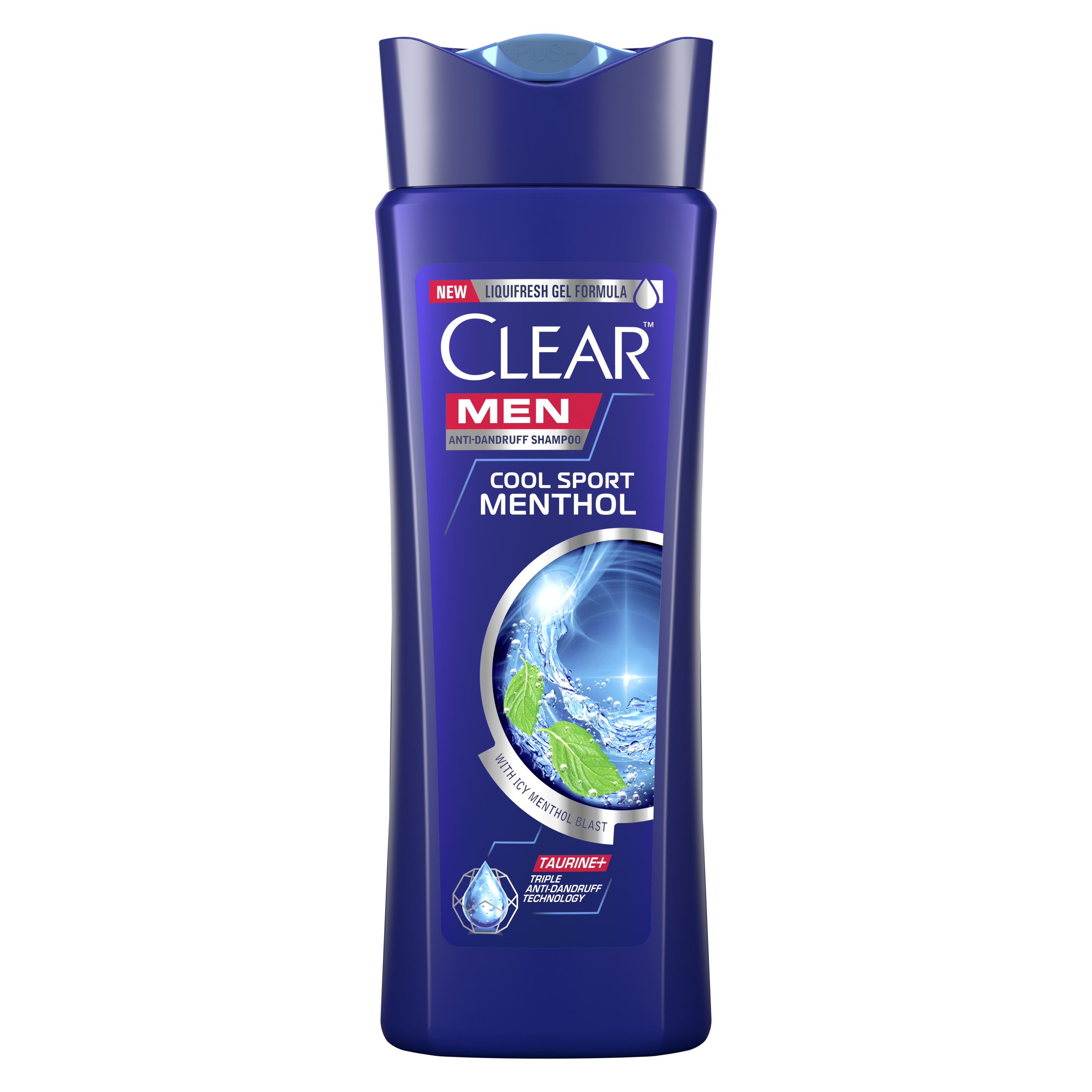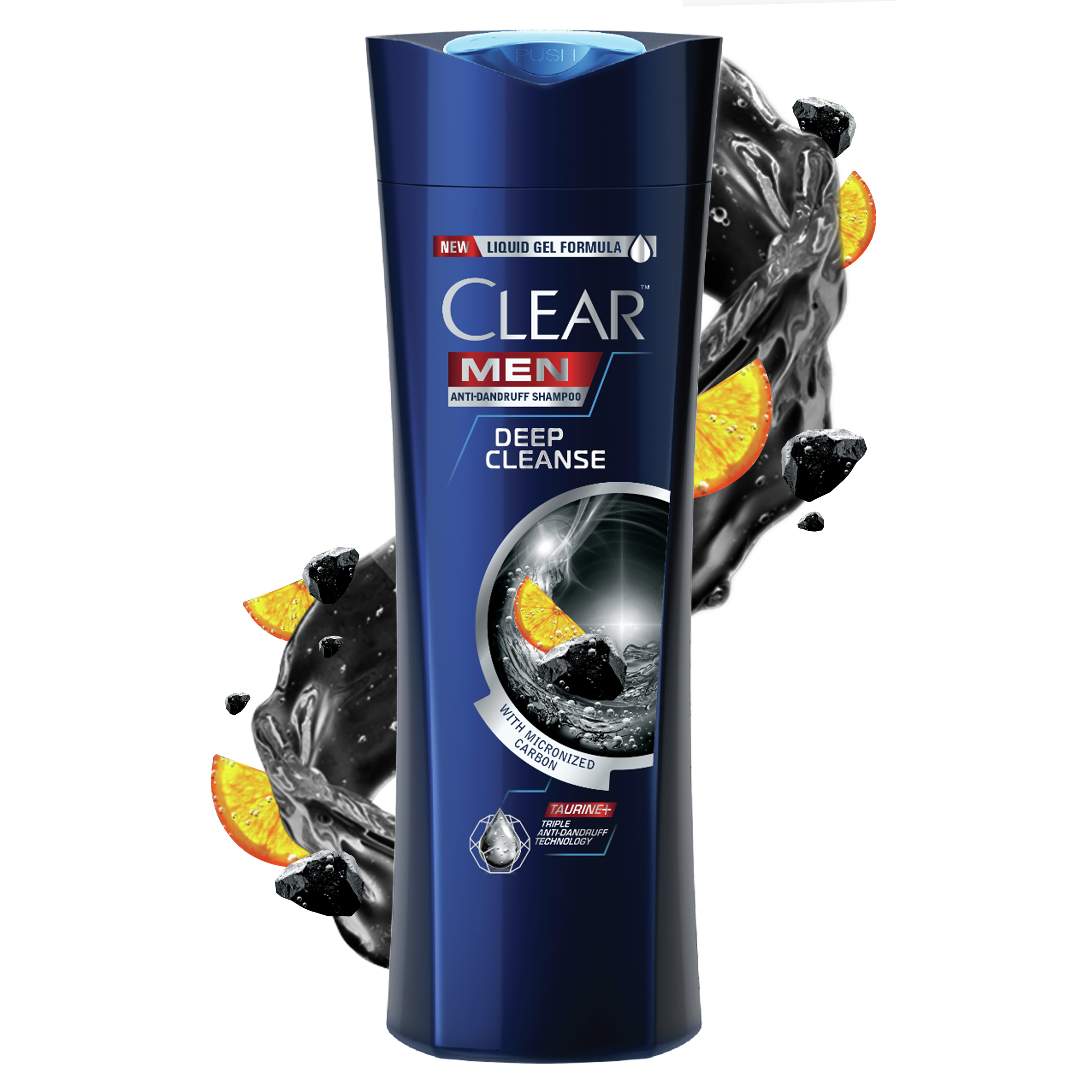
Understanding your hair type is crucial for effective scalp care. Different shampoos are formulated to address specific concerns, whether you have fine, dry, oily, or dandruff-prone hair. For instance, an anti-dandruff shampoo can help with flakes, while a women's deep cleanse shampoo is ideal if you frequently use styling products. Consider CLEAR Shampoo Complete Soft Care to nourish your scalp and achieve healthy-looking hair.
Do you dream of a healthy, clean scalp and vibrant hair? Many of us do! While countless products promise results, understanding what a truly healthy scalp looks like is the first step. Let's explore how to identify a clean scalp and discover effective practices to enhance your hair care routine.
Key Takeaways for a Healthy Scalp
- Identify a Clean Scalp: Look for a flake-free, non-greasy scalp with minimal shedding.
- Choose the Right Shampoo: Select a shampoo tailored to your specific hair and scalp needs, like anti-dandruff or deep cleanse formulas.
- Incorporate Scalp Massage: Regular scalp massages can boost circulation and promote thicker hair growth.
- Maintain Personal Hygiene: Use only your own hair tools to prevent the transfer of impurities.
- Achieve Healthy Hair: Simple, consistent practices can lead to a healthy, clean scalp without significant expense.
How to Achieve a Clean and Healthy Scalp
What Does a Healthy, Clean Scalp Look Like?
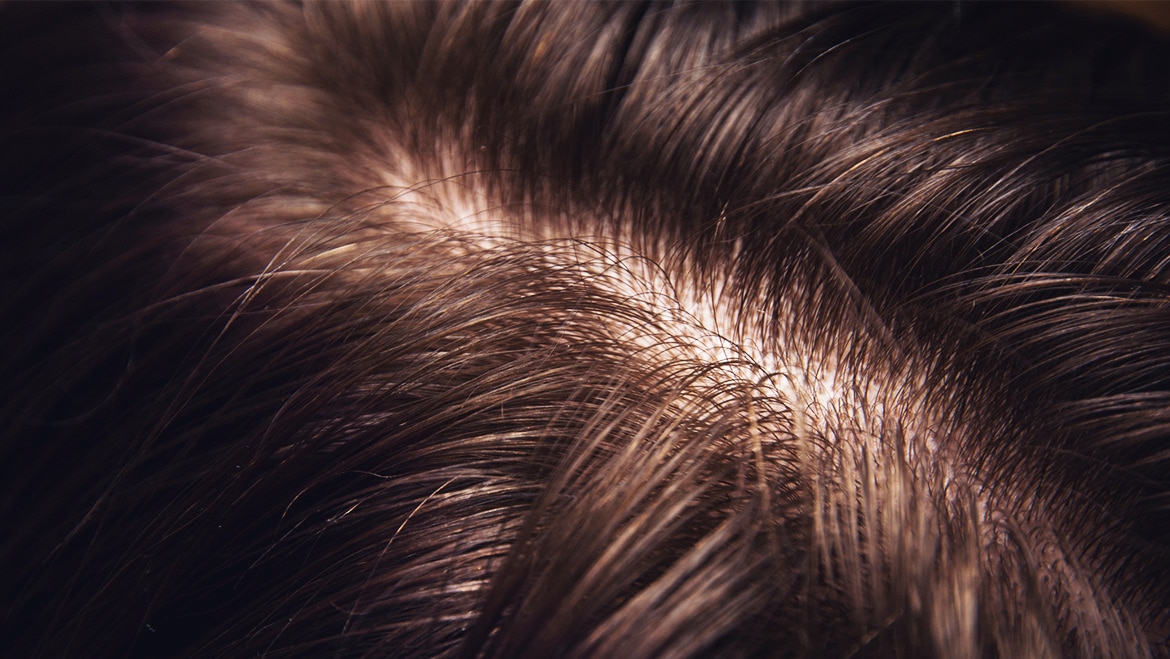
A truly clean scalp is typically flake-free and not excessively greasy. If you experience dandruff, flaking, or oily hair, it indicates a need to adjust your scalp care routine. A healthy scalp also means minimal hair shedding, usually around a hundred strands daily, and it should feel comfortable, without itchiness or tightness, which can be signs of a dry scalp. Achieving a clean scalp is an accessible goal for everyone.
Embrace Your Journey to a Healthy Scalp
Achieving a healthy, clean scalp is a journey that empowers you with confidence and vibrant hair. By understanding your scalp's needs, choosing appropriate products, and adopting consistent care practices, you can maintain optimal scalp health. Remember, a healthy scalp is the foundation for beautiful, resilient hair, and it's a goal well within your reach.
Frequently Asked Questions About Scalp Health
A healthy scalp is typically free from flakes, excessive oiliness, and irritation. It should feel comfortable, not itchy or tight, and exhibit normal hair shedding (around 50-100 strands daily). Healthy hair growth also originates from a well-nourished scalp.
An unhealthy scalp can result from various factors, including product buildup, infrequent washing, harsh chemical treatments, environmental pollutants, and certain skin conditions. These can lead to issues like dandruff, dryness, oiliness, and irritation.
The ideal washing frequency depends on your hair type and lifestyle. Generally, washing every 1-3 days is recommended to prevent product buildup and excess oil. If you have an oily scalp or exercise frequently, you might need to wash more often. For dry scalps, less frequent washing may be beneficial.
Yes, your diet significantly impacts scalp health. A balanced diet rich in vitamins, minerals, and proteins supports healthy hair growth and scalp condition. Essential nutrients like biotin, zinc, iron, and vitamins A, C, and E are particularly beneficial for maintaining a healthy scalp.
When choosing scalp care products, look for ingredients that address your specific concerns. For dandruff, zinc pyrithione or selenium sulfide can be effective. For dry scalps, hydrating ingredients like hyaluronic acid or natural oils are beneficial. Salicylic acid can help with oily scalps by exfoliating. Always check product labels for ingredients that suit your needs.
To prevent dry scalp, avoid harsh shampoos, hot water, and excessive heat styling. Incorporate moisturizing shampoos and conditioners, and consider weekly scalp treatments with hydrating oils. Regular, gentle scalp massages can also help stimulate natural oil production and improve moisture balance.