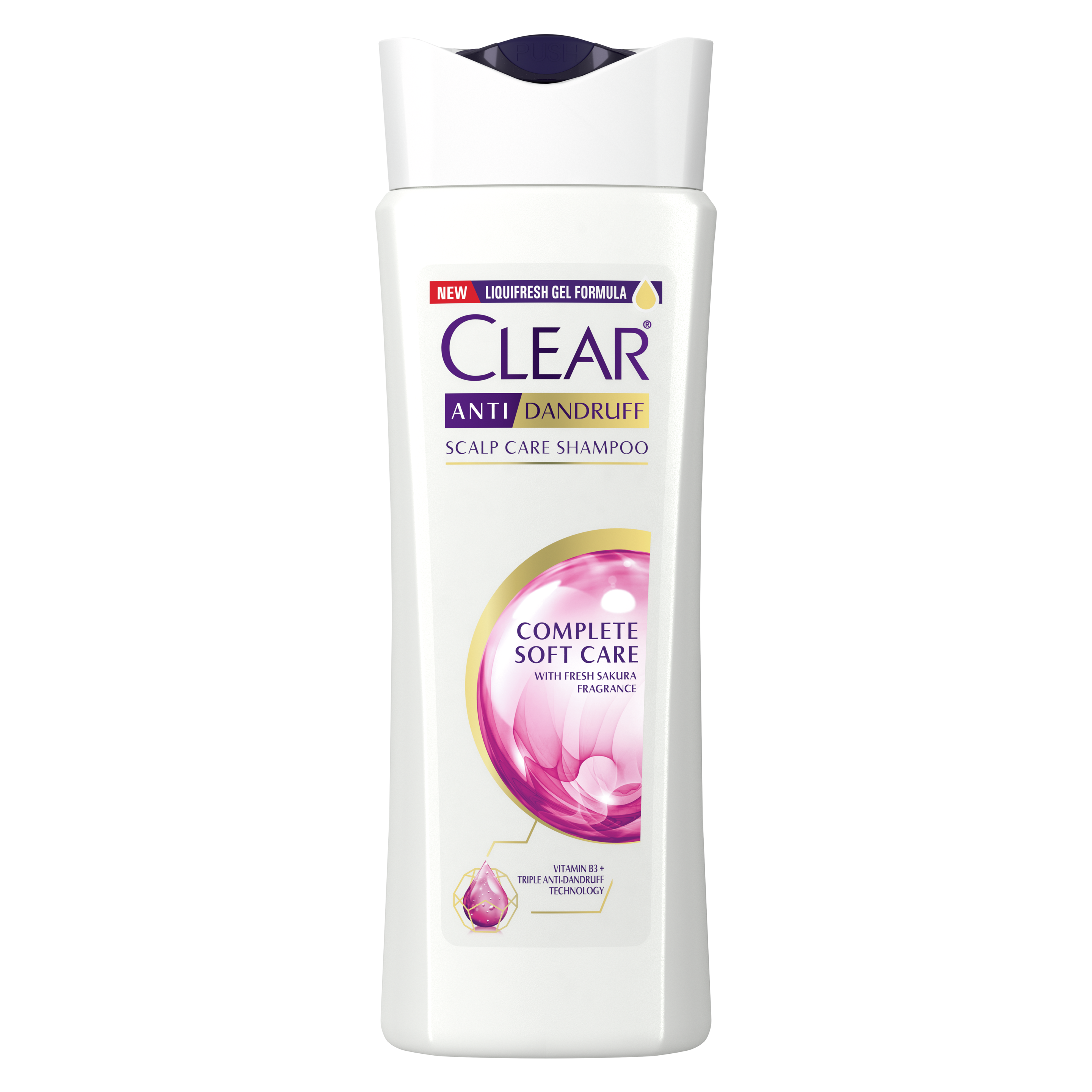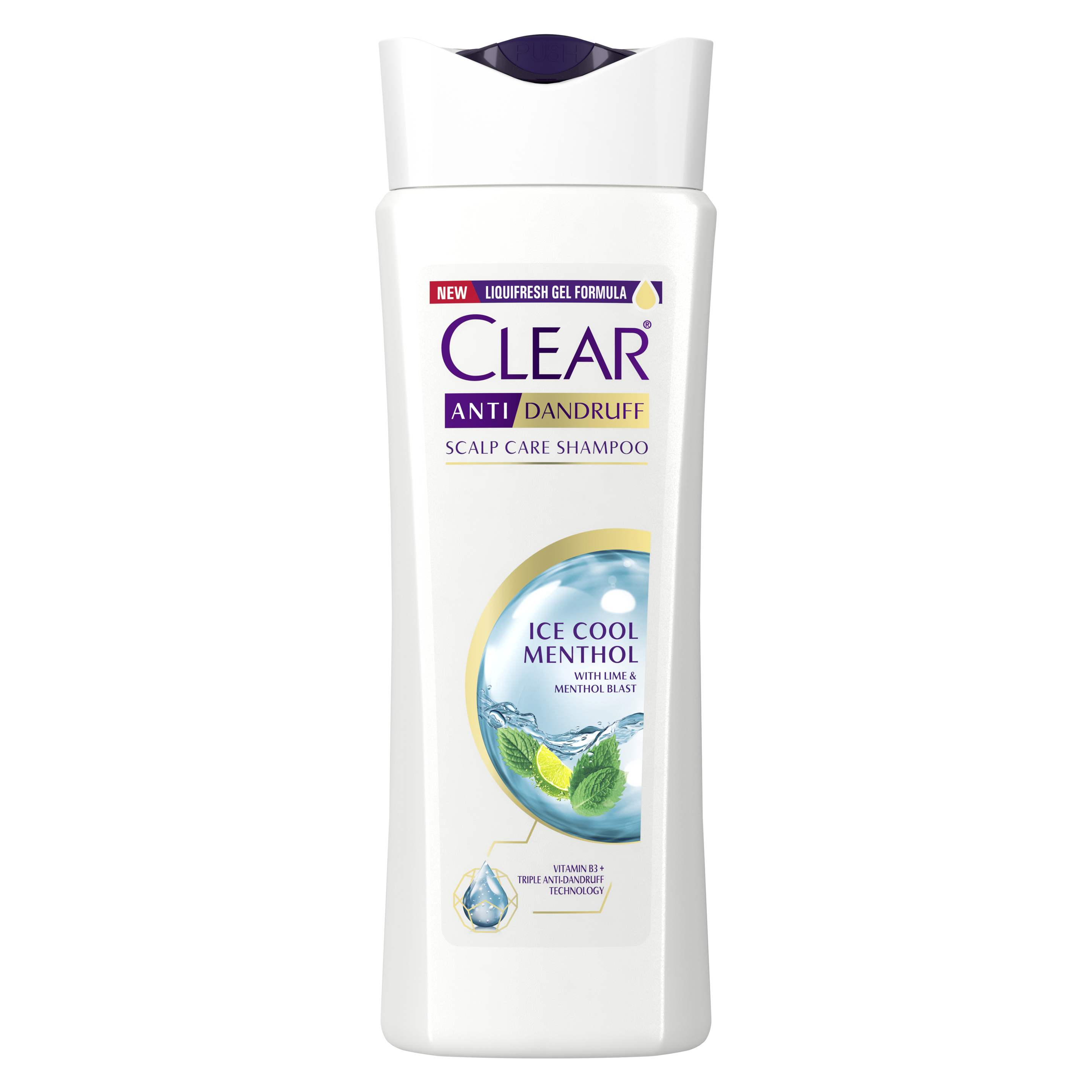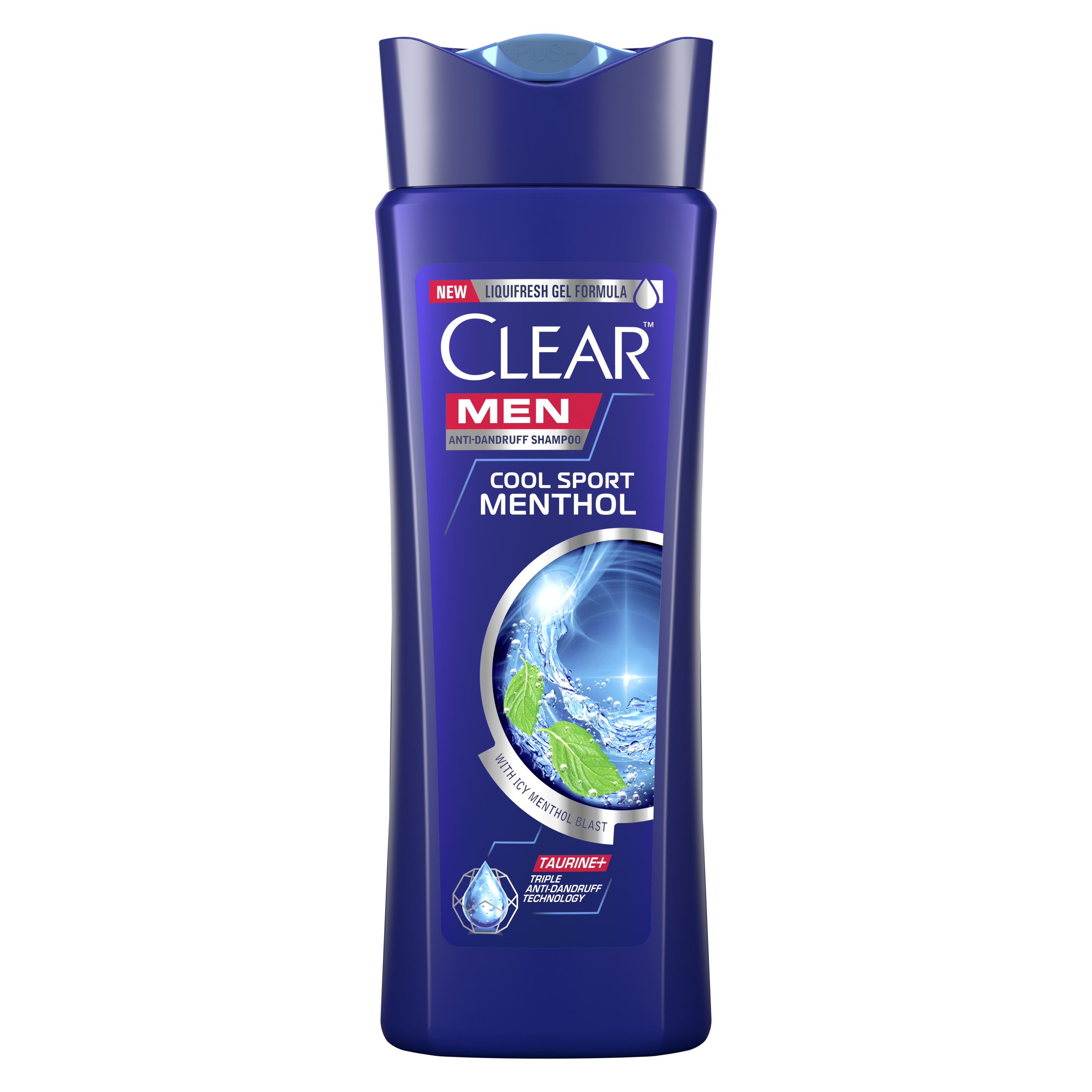

Opt for hair care products specifically formulated to address oily hair and scalp concerns. These products are designed to cleanse effectively without over-stripping natural oils, helping to balance sebum production. Consider using a product like CLEAR Ice Cool Menthol Anti-dandruff Shampoo as part of your regular routine to keep your scalp balanced.
Experiencing greasy hair can be frustrating, often leaving your hair feeling heavy and looking dull. This common concern arises when your scalp's sebaceous glands produce an excess of natural oils, known as sebum. While sebum is essential for keeping your hair moisturized, too much can lead to an oily scalp, flat strands, and even contribute to issues like dandruff. Understanding the root causes is the first step towards achieving a balanced, healthy scalp.
Fortunately, managing oily hair is achievable. We've gathered expert insights into the common causes of greasy hair and effective strategies to help you maintain a fresh, vibrant look.
Key Takeaways for Managing Oily Hair
- Understand that genetics and hormones can influence your scalp's oil production.
- Choose hair care products specifically designed for oily hair to help balance sebum levels.
- Minimize touching your hair and avoid excessive brushing to prevent oil distribution.
- Incorporate dry shampoo before workouts to absorb sweat and oil.
- Be mindful of product buildup; ensure thorough washing and avoid heavy styling products.
- A consistent scalp care routine is crucial for preventing greasy hair and related issues like dandruff.
Understanding the Common Causes of Oily Hair
While genetics play a significant role in how much oil your scalp produces, several lifestyle factors can also contribute to excessive sebum. Identifying these can help you take control and reduce hair greasiness. Let's explore some of the biggest contributors to an oily scalp.
1. Genetic Predisposition
If your parents have oily hair, you might be more prone to it yourself. While we can't change our genes, using targeted hair care products can effectively manage oil levels. Opting for a shampoo and conditioner formulated for oily hair, such as CLEAR Ice Cool Menthol Anti-dandruff Shampoo, can help keep your scalp balanced.
2. Hair Texture: Straight Hair
Unlike curly hair, which can experience dryness, straight hair often faces the opposite challenge. Its smooth texture allows natural oils to travel down the hair shaft more easily from the roots, leading to a greasier appearance. The best approach is to use a shampoo specifically designed to address oily hair concerns.
3. Hormonal Fluctuations
Hormonal imbalances can manifest in various ways, including changes in skin and hair. Whether due to puberty, pregnancy, or menopause, shifts in hormone levels can significantly impact the amount of oil your scalp produces, leading to increased greasiness.
4. Frequent Hair Touching
It's tempting to touch soft, smooth hair, but doing so can transfer oils and dirt from your hands directly to your strands, making them appear oilier. Similarly, over-brushing can stimulate the scalp's sebaceous glands and distribute existing oils, contributing to greasiness. Try to keep your hands away from your hair throughout the day.

5. Regular Workouts
While exercise is beneficial, intense workouts can contribute to greasy hair. As you sweat, moisture travels down the hair shaft, carrying scalp oils with it and resulting in an oily appearance. Beyond using a suitable shampoo, applying dry shampoo before your workout can help absorb excess sweat and oil at the roots.
6. Incorrect or Excessive Product Use
Applying too many hair products, or using those not suited for your hair type, can inadvertently lead to greasiness. For instance, products designed for dry hair might over-moisturize an already oily scalp. Be cautious of products promising excessive shine or gloss. The key is to wash your hair thoroughly to prevent product buildup, which can weigh hair down and make it look greasy.
An oily scalp can sometimes increase the likelihood of dandruff. For effective scalp care, consider incorporating a specialized shampoo like CLEAR into your routine.
Practical Steps to Manage Oily Hair and Scalp
Achieve a Balanced, Healthy Scalp
Managing oily hair is an ongoing journey, but with the right knowledge and consistent care, you can achieve a balanced and fresh-feeling scalp. By understanding the causes and adopting effective strategies, you can significantly reduce greasiness and enjoy healthier-looking hair. Embrace a routine that supports your scalp's natural balance and boosts your confidence every day.
Frequently Asked Questions About Oily Hair
Hair can become oily quickly due to overactive sebaceous glands on the scalp, which produce excess sebum. Factors like genetics, hormonal fluctuations, frequent hair touching, and using unsuitable hair products can all contribute to this rapid oil buildup.
Not necessarily. While infrequent washing can contribute to oily hair, excessive oil production is often due to internal factors like genetics or hormones, or external factors like product choice. Maintaining a consistent and appropriate hair care routine is key, regardless of your scalp's natural oil levels.
Yes, genetics play a significant role in determining your scalp's oil production. If your parents have naturally oily hair, you are more likely to experience similar tendencies. However, even with a genetic predisposition, effective management strategies can help control greasiness.
The ideal frequency varies for individuals. While some may benefit from daily washing to manage oil, others might find that washing every other day, or even less frequently, helps balance their scalp's oil production. Experiment to find a routine that keeps your hair feeling fresh without over-stimulating oil glands.
Look for shampoos containing ingredients known for their clarifying and balancing properties, such as salicylic acid, zinc pyrithione, or tea tree oil. These can help control sebum production and cleanse the scalp effectively. Avoid heavy, moisturizing ingredients if your primary concern is oiliness.
Absolutely. Hormonal fluctuations, common during puberty, pregnancy, menstruation, or menopause, can directly impact the activity of your sebaceous glands. These changes can lead to an increase in sebum production, resulting in noticeably oilier hair.