

Drinking sufficient water daily is crucial for maintaining overall body hydration, including your scalp. Adequate hydration helps prevent dryness, flakiness, and irritation. Aim for a consistent intake of water throughout the day, adjusting based on your activity level and the warm Philippine climate.
Understanding Dry Scalp Solutions for Women in the Philippines
Women's scalps often have unique needs, producing less sebum than men's, which can lead to dryness. Factors like heat-styling and frequent use of various hair products can exacerbate this, resulting in an itchy, flaky scalp and dry hair. While a dry scalp can be bothersome, empowering yourself with the right knowledge and practical solutions can help you revive your hair and scalp. This guide offers actionable remedies you can easily incorporate into your routine to foster a healthier scalp environment.
Key Takeaways for a Healthy Scalp
- Staying well-hydrated is fundamental for overall scalp health, preventing dryness and irritation.
- Regular, gentle scalp massages can boost circulation and nutrient delivery to hair follicles.
- Choosing the right shampoo and conditioner, like CLEAR's specialized formulas, is crucial for cleansing without stripping natural moisture.
- Adjusting your environment, such as air conditioning settings, can significantly impact scalp hydration.
- A balanced diet rich in essential nutrients supports healthy hair growth and scalp function.
- Simple, consistent changes to your routine can lead to a more nourished and comfortable scalp.
Women's scalps are distinct from men's, often producing less natural oil (sebum). This difference, combined with common practices like heat-styling and the use of various hair products, can contribute to a dry scalp. Symptoms such as itching, irritation, and dry hair can arise from this lack of natural moisture. While experiencing a dry scalp can be frustrating, there are many effective ways to nurture your scalp and revitalize your hair, often using simple methods you can implement at home.

Ensuring you drink enough water throughout the day is vital for your scalp's well-being. A parched scalp can lead to more noticeable issues like persistent itching and flakiness. While a common guideline is to consume six to eight glasses of water daily, your specific hydration needs may vary based on your activity levels and the local climate in the Philippines.

Incorporating a gentle scalp massage into your hair care routine, whether during shampooing or while your conditioner sets, can be highly beneficial. This practice stimulates blood circulation, which delivers essential nutrients to your hair follicles and helps moisturizers penetrate more effectively. Regular massages can also provide soothing relief from an itchy scalp.
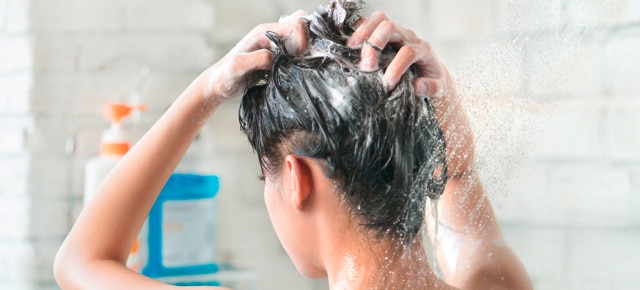
Selecting a shampoo that effectively cleanses while maintaining scalp freshness is key. Consider options like CLEAR Ice Cool Menthol Shampoo or CLEAR Cool Sport Menthol Shampoo. These formulations are designed to thoroughly cleanse your hair and scalp, removing excess oil and impurities without causing dryness. Featuring the Triple Anti-Dandruff formula with vitamin B3, they help fortify your scalp's natural barrier for enhanced protection. The refreshing cooling sensation provided by these shampoos is particularly pleasant in tropical climates like the Philippines. Furthermore, regardless of your hair type, incorporating a good conditioner can significantly boost hair moisture, leaving it looking shiny and feeling healthy.

While it's tempting to set your air conditioner to its lowest temperature during hot and humid weather, this can inadvertently contribute to a dry scalp by reducing ambient moisture. To help prevent scalp dryness, aim to keep your air conditioning at a comfortable, moderate temperature. Regular maintenance of your air conditioner every few months is also advisable to ensure healthier air quality.

Your dietary choices play a significant role in the health of your hair and scalp. Incorporating foods rich in zinc, omega-3 fatty acids, and vitamin A can be highly beneficial. Zinc supports healthier hair and growth, while omega-3 fatty acids promote better blood circulation, which is essential for a thriving scalp. Vitamin A-rich foods, such as carrots, spinach, and sweet potatoes, aid in maintaining healthy skin cells that are crucial for minimizing dry scalp. Addressing dry scalp doesn't have to be complicated. Even small, consistent adjustments to your hair care routine, diet, and product choices can lead to a noticeably healthier and more nourished scalp.
Practical Steps for a Healthier Scalp
Embrace a Healthier Scalp Journey
Achieving a comfortable and healthy scalp is within reach with consistent care and attention. By integrating these practical remedies into your daily life, from staying hydrated to choosing the right hair products and nourishing your body from within, you can effectively manage dry scalp concerns. Empower yourself with these simple yet impactful changes and enjoy the confidence that comes with a well-nourished scalp and vibrant hair.
Frequently Asked Questions About Dry Scalp
Dry scalp in women can stem from various factors, including lower sebum production compared to men, frequent heat-styling, use of harsh hair products, environmental conditions like dry air from air conditioning, and insufficient hydration. Hormonal changes can also play a role.
If you have a dry scalp, it's generally recommended to wash your hair less frequently, perhaps every 2-3 days, to avoid stripping natural oils. However, this can vary based on your hair type and activity level. Using a gentle, moisturizing shampoo and conditioner is more important than the frequency itself.
Yes, your diet significantly influences scalp health. A diet rich in essential nutrients like zinc, omega-3 fatty acids, and vitamin A supports healthy skin cell function, blood circulation, and hair growth, all of which contribute to a well-nourished and less dry scalp.
When choosing a shampoo for dry scalp, look for hydrating ingredients such as hyaluronic acid, glycerin, aloe vera, and natural oils like coconut or argan oil. Ingredients like pyrithione zinc or selenium sulfide can also help if flakiness is present. Avoid harsh sulfates that can further dry out your scalp.
The time to see improvement can vary depending on the severity of your dry scalp and the consistency of your remedies. Many individuals notice a difference within a few weeks of consistently applying hydrating treatments, adjusting their diet, and using appropriate hair care products. Patience and consistency are key.