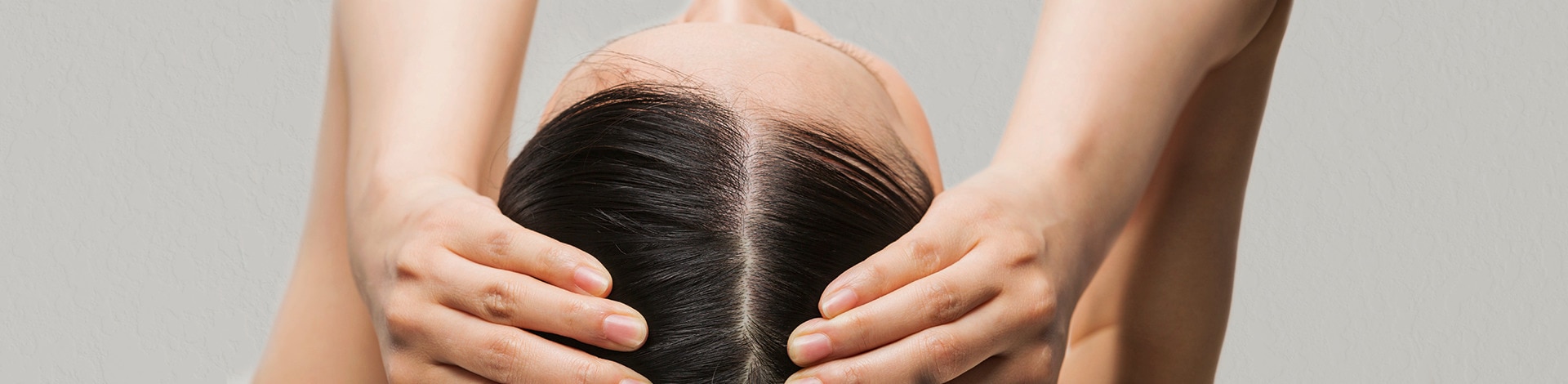
Yes, a dry scalp can often contribute to dandruff. When your scalp lacks moisture, it can become irritated and flaky. These flakes can sometimes be mistaken for dandruff, or the dryness can exacerbate existing dandruff conditions, making it important to address both hydration and anti-dandruff needs.
Experiencing an itchy, flaky scalp can be uncomfortable and confusing. Is it just a dry scalp, or is it dandruff? While both conditions share similar symptoms like flaking and irritation, understanding the key differences is essential for effective care. This article will help you identify the common signs of a dry scalp and dandruff, empowering you to choose the right approach for a healthier, more comfortable scalp.
Key Takeaways
- Identify the Signs: Learn to distinguish between a dry scalp and dandruff by recognizing specific symptoms like flaking, tightness, and itchiness.
- Moisture is Key: Discover how proper hydration and moisturizing products can help alleviate dry scalp conditions and prevent further irritation.
- Targeted Treatment: Understand the importance of using appropriate anti-dandruff shampoos and conditioners for managing dandruff-prone scalp.
- Environmental Impact: Recognize how weather changes can affect your scalp health and what steps you can take to protect it.
- Empower Your Scalp Care: Gain actionable insights to maintain a balanced and healthy scalp, reducing discomfort and boosting confidence.
5 Signs You Might Have a Dry Scalp or Dandruff
Understanding the root cause of your scalp discomfort is the first step towards effective relief. While both dry scalp and dandruff can lead to bothersome flakes and itchiness, their underlying causes differ. Recognizing these signs can help you determine if you're dealing with a dry scalp, which often contributes to dandruff, and guide you towards the right care approach.
- 1
Flaky Skin on the Scalp
Visible flakes are a primary indicator of scalp issues. If you notice persistent flaking, it could be a sign of dandruff. A healthy scalp should not produce excessive visible flakes. Managing this often involves using a specialized anti-dandruff shampoo and conditioner designed to soothe the scalp and reduce flaking.
- 2
Scalp Tightness
An uncomfortable feeling of tightness on your scalp often signals a lack of moisture, a classic symptom of a dry scalp. This dehydration can lead to irritation if not addressed. To alleviate this, consider incorporating moisturizing hair products and avoiding practices that can further dry out your scalp, such as excessive washing, harsh heat styling, or frequent chemical treatments.
- 3
Persistent Itchiness
An itchy scalp is a common and often frustrating symptom of dryness. The urge to scratch can be intense, potentially leading to further irritation and redness. Instead of aggravating the itch, consider using a specialized scalp treatment or an anti-dandruff shampoo like CLEAR to soothe and care for your scalp.
- 4
General Dry Skin
If you experience dry skin on other parts of your body, such as your arms or legs, you might be more susceptible to a dry scalp. This indicates a general tendency towards skin dryness. Consulting a healthcare professional can help identify underlying causes and recommend suitable remedies for overall skin and scalp hydration.
- 5
Impact of Weather Changes
Environmental factors, particularly sudden shifts in weather, can significantly influence your scalp's moisture balance. Both cold, dry air and hot, humid conditions can contribute to a dry scalp. Regular hair and scalp moisturizing practices are crucial to help your scalp adapt and maintain its health through varying climates.
Understanding these signs is the first step towards a healthier scalp. By recognizing the symptoms of a dry scalp, you can take proactive steps to address the issue and restore comfort. Consider incorporating products like CLEAR shampoo into your routine to help manage dry scalp concerns effectively.
Embrace a Healthier, More Confident Scalp
Distinguishing between a dry scalp and dandruff is crucial for effective treatment and lasting comfort. By paying attention to the signs—flaking, tightness, itchiness, general dry skin, and environmental impacts—you can better understand your scalp's needs. Empower yourself with the right knowledge and products to nurture your scalp back to health. A well-cared-for scalp not only feels better but also contributes to the overall vitality of your hair, boosting your confidence every day.
Frequently Asked Questions
While both cause flaking and itchiness, a dry scalp occurs when your scalp lacks sufficient moisture, leading to small, white flakes and a tight feeling. Dandruff, on the other hand, is often caused by an overgrowth of yeast on the scalp, resulting in larger, yellowish, oily flakes and more intense itching. Understanding these distinctions helps in choosing the right treatment.
To treat a dry, itchy scalp, focus on hydration. Use a gentle, moisturizing shampoo and conditioner, and consider scalp treatments designed to replenish moisture. Avoid hot water and harsh styling products. Regular, gentle scalp massages can also improve circulation and help distribute natural oils. Products like CLEAR shampoo can help soothe and hydrate your scalp.
Both overwashing and insufficient washing can affect scalp health. Overwashing can strip natural oils, leading to a dry scalp. Conversely, not washing enough can allow oil and dead skin cells to build up, potentially worsening dandruff. Finding a balanced washing routine with appropriate products is key for managing both conditions.
A tight and dry feeling after washing often indicates that your shampoo might be too harsh or that your scalp's natural moisture barrier has been compromised. Using lukewarm water instead of hot, and opting for sulfate-free or moisturizing shampoos, can help prevent this sensation. Follow up with a hydrating conditioner to lock in moisture.