Common causes of hair fall in women include stress, hormonal imbalances, nutritional deficiencies, certain medical conditions, and external factors like aggressive heat styling and scalp issues such as dandruff.
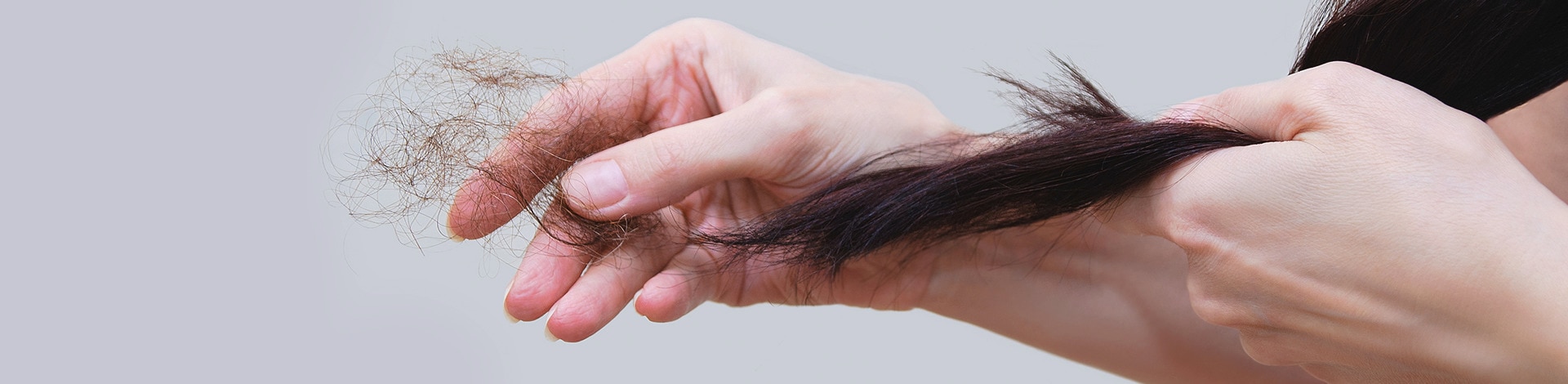
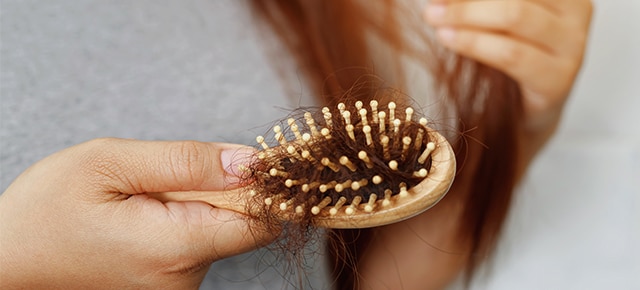
It's natural to see some hair strands on your pillow or brush, as shedding is a normal part of your hair's life cycle. Losing up to 150 strands daily is typically fine. However, if you notice significantly more hair fall, it might be a sign of excessive hair loss. The good news is that many causes of hair fall are temporary and can be addressed with the right care and products.
Key Insights on Hair Fall in Women
- Stress and Dandruff: These common factors can significantly contribute to excessive hair fall and scalp issues.
- Heat Styling: Frequent use of heat tools can weaken hair strands, leading to breakage and increased hair loss.
- Normal Shedding vs. Hair Fall: It's important to distinguish between natural hair shedding and concerning levels of hair fall.
- When to Seek Help: Persistent or severe hair loss warrants a consultation with a healthcare professional for proper diagnosis and guidance.
- Proactive Care: Adopting a consistent scalp care routine can help manage and reduce hair fall effectively.
Understanding the Root Causes of Hair Fall in Women
Experiencing hair fall can be concerning, but understanding its underlying causes is the first step toward finding effective solutions. By identifying what triggers excessive hair loss, you can better address the issue and work towards healthier, more resilient hair. Let's explore some common factors contributing to hair fall in women.
1. Stress and Its Impact on Hair Health
High levels of stress can significantly contribute to hair fall. When your body experiences stress, it can elevate androgen levels, a hormone that may lead to increased hair shedding. Prolonged stress can also manifest as an itchy scalp and dandruff, further exacerbating hair loss concerns.
2. Dandruff and Scalp Irritation
Dandruff can lead to a tight and itchy scalp, which often results in scratching. This scratching can cause irritation, redness, and even physical damage to your hair strands. Beyond just pulling hair out, excessive scratching can harm hair follicles, potentially slowing down or even halting healthy hair growth, contributing to overall hair fall.
3. The Effects of Heat Styling on Hair Fall
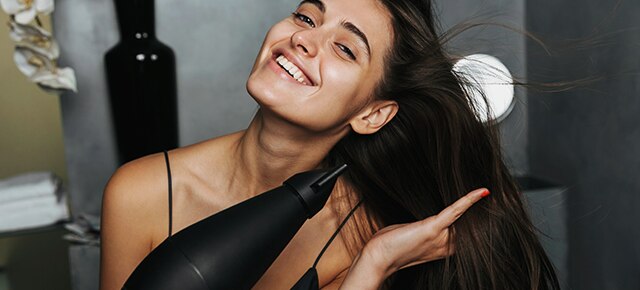
Frequent use of heat-styling tools is a significant contributor to thermal damage and subsequent hair fall in women. Appliances like blow dryers, curling irons, and straightening wands expose your hair to intense, dry heat. This can weaken the hair shaft, making your strands more susceptible to breakage and increased hair shedding.
When to Consult a Professional About Hair Fall
While losing up to 150 hair strands daily is considered normal, a significant increase in hair fall warrants attention. If you consistently notice an unusual amount of hair on your brush, in the shower drain, or if you observe thinning patches or bald spots on your scalp, it's advisable to consult a doctor. Early professional assessment can help identify underlying causes and guide appropriate management strategies for your hair health.
Empower Your Hair Health Journey
Understanding the various causes of hair fall in women, from daily stressors to styling habits, is crucial for maintaining healthy hair. By recognizing the signs of excessive hair loss and knowing when to seek professional advice, you can take proactive steps to nurture your scalp and strengthen your strands. Embrace a consistent care routine to help reduce hair fall and boost your confidence in your hair's vitality.
Frequently Asked Questions About Hair Fall
Yes, stress can significantly contribute to hair loss. High stress levels can disrupt the natural hair growth cycle, leading to increased shedding. This type of hair loss is often temporary, but managing stress is key to recovery.
Dandruff causes an itchy scalp, which can lead to excessive scratching. This scratching can damage hair follicles and weaken hair strands, making them more prone to breakage and fall. An unhealthy scalp environment can also impede healthy hair growth.
Yes, it is normal to lose between 50 to 150 strands of hair daily as part of the natural hair growth cycle. However, if you notice a significant increase beyond this range, it may indicate excessive hair fall that warrants attention.
You should consult a doctor if you experience sudden, severe, or persistent hair fall, notice bald patches, significant thinning, or if your hair loss is accompanied by other symptoms like scalp irritation or changes in skin. A professional can help diagnose the underlying cause.
Yes, using a shampoo specifically formulated to address hair fall concerns, often containing ingredients that strengthen hair or improve scalp health, can be beneficial. Look for products that nourish the scalp and reduce breakage.
To prevent hair fall from heat styling, minimize the frequency of using heat tools, always apply a heat protectant spray, use the lowest effective heat setting, and ensure your hair is completely dry before styling. Opt for air-drying whenever possible.