
When your hair starts to feel greasy mid-day and you're short on time, a dry shampoo can be your quick solution. Simply spray it onto your scalp to absorb excess oil, then brush through your hair for an instantly refreshed look.
Key Takeaways for Managing Oily Hair and Dandruff
- Understand Oily Hair: Learn why your scalp produces excess sebum and how it contributes to greasy hair and dandruff.
- Quick Fixes & Habits: Discover immediate solutions like dry shampoo and essential habits to prevent oil buildup.
- Diet & Hair Health: Explore how a balanced diet can positively impact your scalp's oil production.
- Washing Wisdom: Find the right frequency for washing your hair to avoid over-stripping natural oils.
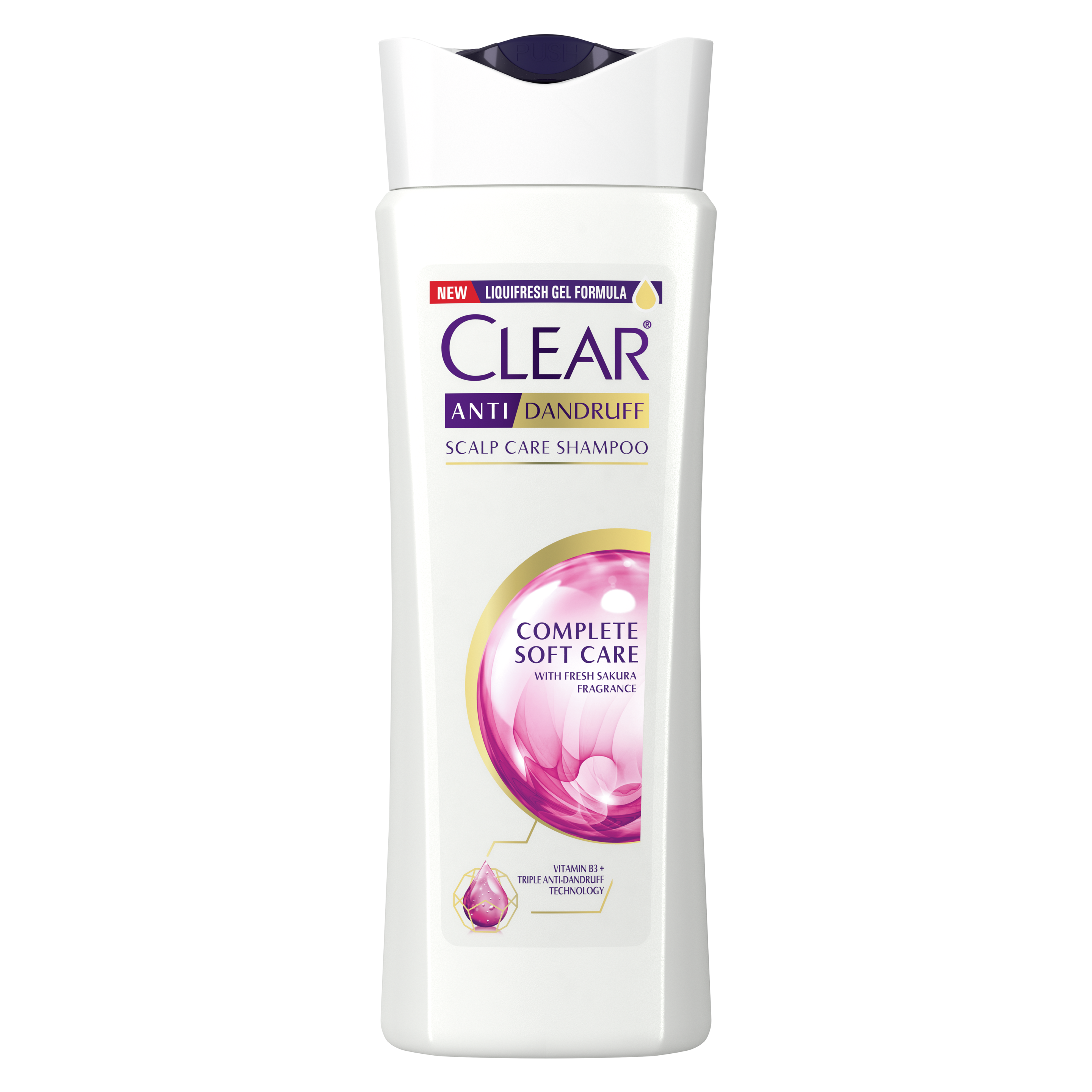
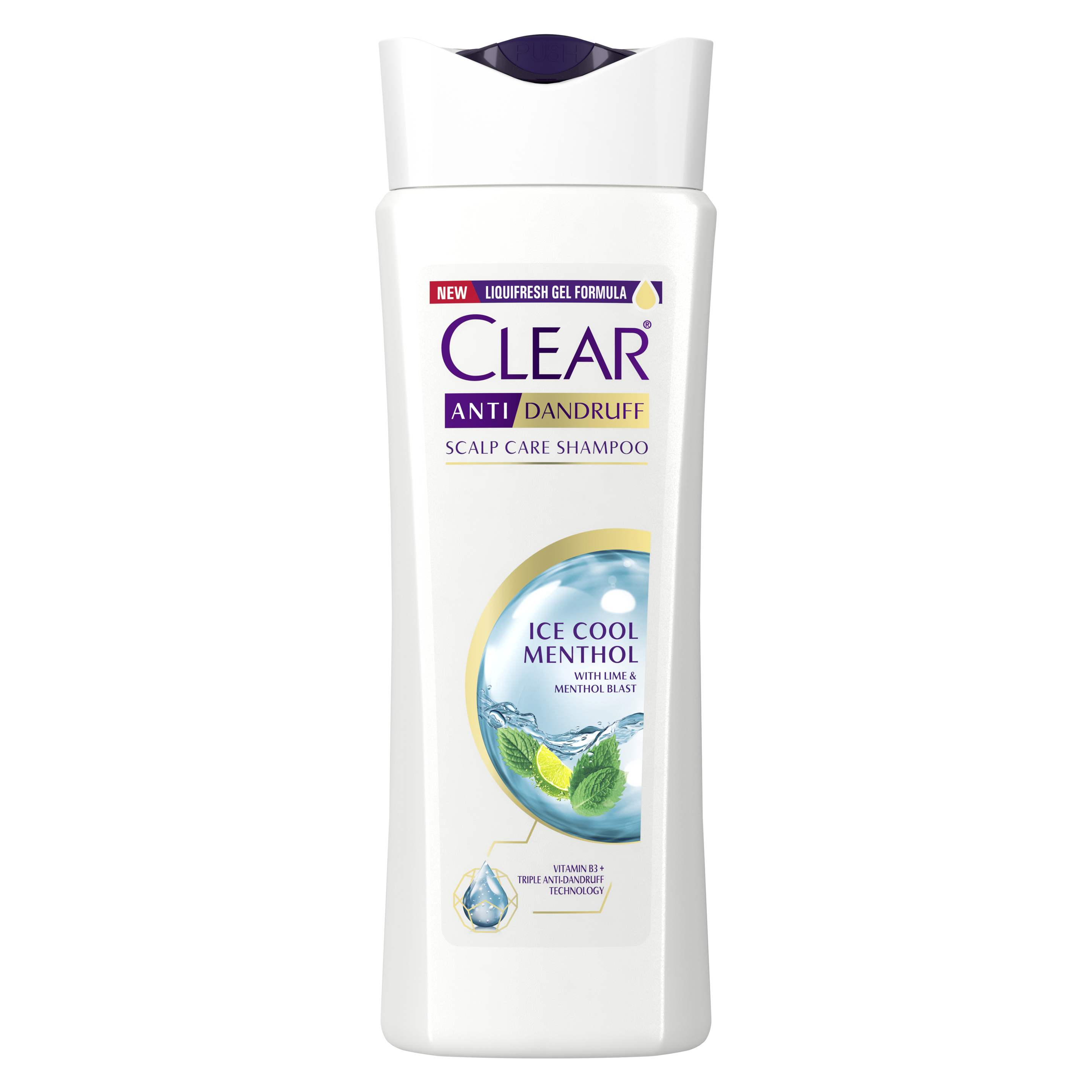
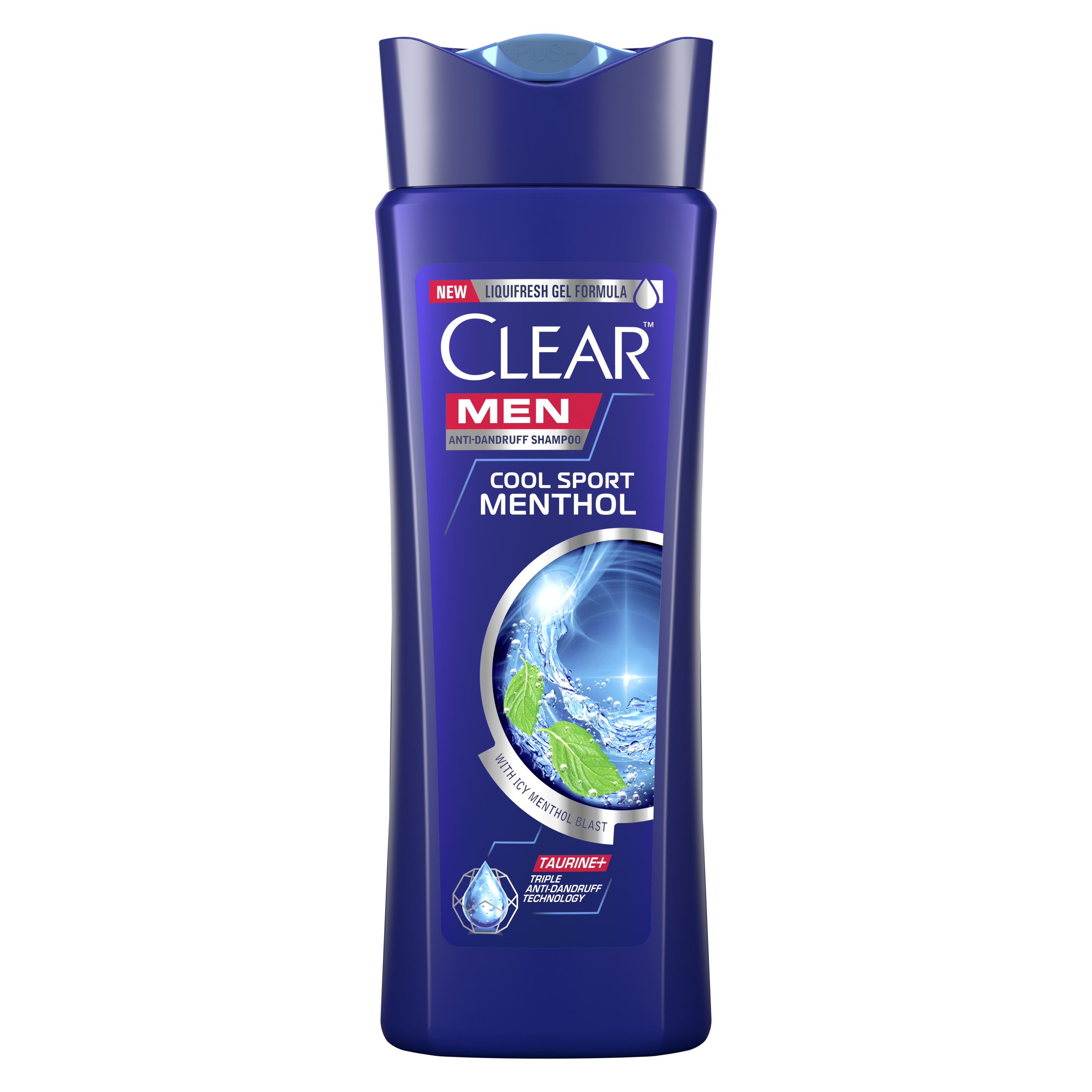
- Targeted Solutions: Identify the best shampoo for oily hair and dandruff to effectively cleanse and nourish your scalp.
Many of us experience the challenge of oily hair, often noticing greasiness by the second day. This can leave your hair looking sticky, limp, and less vibrant. Beyond aesthetics, an overproduction of sebum—your scalp's natural moisturizer—can contribute to various scalp concerns, including an oily scalp and persistent dandruff. Understanding these issues is the first step towards achieving a healthier, more balanced scalp and hair.
Effective Tips to Manage Oily Hair and Dandruff
Adopting a consistent hair care routine tailored to your needs is key to managing oily hair and dandruff. By understanding your scalp and choosing the right products, you can maintain a healthy, fresh feel every day.
Embrace a Healthier Scalp and Confident Hair
Managing oily hair and dandruff doesn't have to be a source of stress. By incorporating these simple yet effective tips into your routine and selecting a shampoo specifically formulated for oily hair and dandruff, you can achieve a balanced, healthy scalp and enjoy hair that feels fresh and vibrant. Take control of your hair health today and experience the confidence that comes with a clear, nourished scalp.
Frequently Asked Questions About Oily Hair and Dandruff
Your hair can become oily quickly due to overactive sebaceous glands on your scalp, which produce excess sebum. Factors like genetics, hormonal changes, diet, stress, and even overwashing can stimulate these glands.
Yes, an oily scalp can contribute to dandruff. The excess sebum provides a breeding ground for Malassezia globosa, a yeast-like fungus naturally present on the scalp, which can lead to irritation and flaking, commonly known as dandruff.
The ideal frequency varies, but generally, washing every other day or every two days can be effective. Overwashing can strip natural oils, prompting your scalp to produce more, while not washing enough can lead to oil buildup. Use a shampoo specifically designed for oily hair and dandruff.
Look for ingredients like salicylic acid or zinc pyrithione for dandruff control, and natural extracts known for oil regulation, such as tea tree oil or citrus extracts. Avoid heavy conditioning agents that can weigh down oily hair.
Some natural approaches include apple cider vinegar rinses to balance pH, aloe vera for soothing the scalp, and essential oils like tea tree or peppermint (diluted) for their antimicrobial properties. Always perform a patch test first.
Yes, your diet can influence scalp health. Consuming a balanced diet rich in vitamins, minerals, and healthy fats can help regulate sebum production. Limiting processed foods and excessive sugars may also contribute to a healthier scalp.
Stress can indeed exacerbate oily hair and dandruff. When you're stressed, your body produces hormones that can stimulate sebaceous glands, leading to increased oil production and potentially worsening scalp conditions. Managing stress is beneficial for overall health, including your scalp.